
As regulatory requirements for stormwater management continue to increase, developers and engineers are seeking sustainable, effective methods to control runoff. The key is to mimic nature by promoting infiltration allowing water to soak into the ground rather than directing it to storm sewers.
Infiltration basins are a critical component of modern Green Infrastructure (GI) design. However, they often face a significant challenge: the existing site soils may not drain fast enough to meet regulatory criteria or prevent prolonged standing water. This is where the strategic use of amended soils comes into play.
Earth Engineering Inc. delivers soil testing in Lebanon and the tri-state area to identify challenging subsurface conditions and ensure the proper design and function of stormwater infiltration basins.
What is a Stormwater Infiltration Basin?
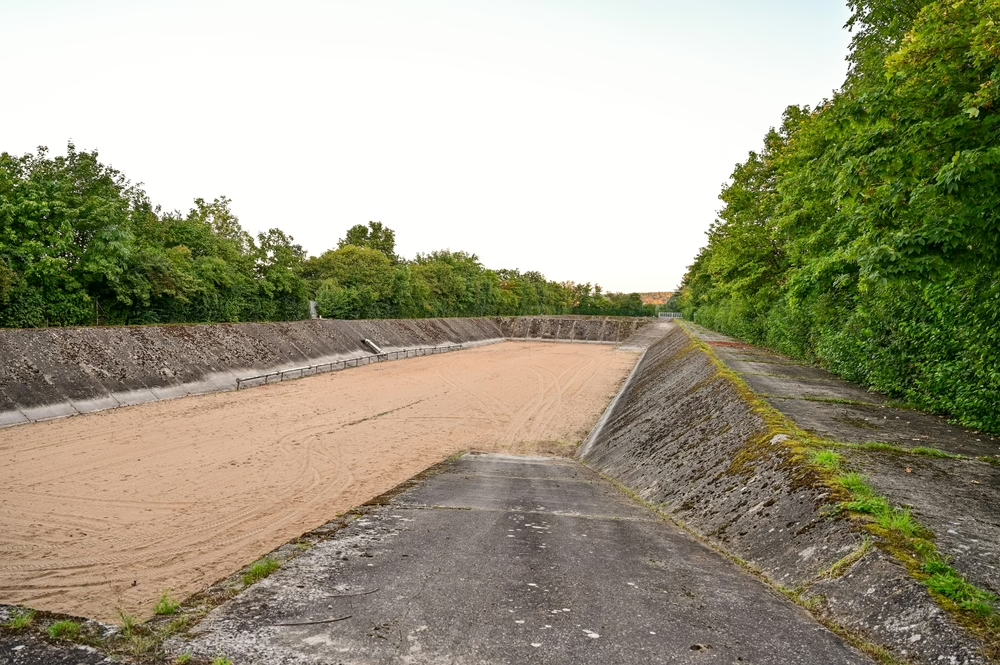
An infiltration basin is an excavated area, typically a depression, designed to temporarily store stormwater runoff and allow it to percolate into the native soil beneath it.
Key Components and Function:
- Storage Volume: The basin is sized to contain a calculated volume of stormwater runoff.
- Infiltration Surface: The bottom of the basin, which must have a sufficient infiltration rate to empty the stored water within a specific time (e.g., 72 hours).
- Pre-treatment: Features like forebays or vegetated filters are often included to capture sediment before it enters the main basin, preventing the infiltration surface from becoming clogged (clogging is the primary cause of infiltration basin failure)
The Infiltration Problem: When Native Soil Isn’t Enough
Many sites, particularly those with high clay or silt content, have very low native soil permeability. If the measured infiltration rate is too slow, the basin will fail to empty on time, leading to:
- Regulatory Non-Compliance: Violating the required drawdown time.
- Vector Issues: Prolonged standing water can become a breeding ground for mosquitoes.
- Ineffectiveness: The basin becomes saturated and loses its ability to infiltrate subsequent storm events.
The Solution: Engineering an Amended Soil Mix
To overcome low native soil permeability, engineers design and specify amended soils to be placed at the basin. Amended soil is a carefully blended mix of materials designed to achieve a specific, high infiltration rate while still supporting vegetation.
Common Amended Soil Components:
- Sand (The Workhorse): Provides the necessary particle size and void spaces to dramatically increase the permeability (drainage rate). Clean, washed sand is typical.
- Topsoil/Loam: Provides organic matter and nutrients necessary for supporting healthy vegetation, which helps maintain the soil structure and prevent erosion.
- Compost/Peat (Organic Matter): Improves water retention capacity (without reducing drainage excessively) and provides slow-release nutrients.
Key Considerations for Amended Soil Success
Designing and installing an effective infiltration basin requires more than just mixing sand and soil. Earth Engineering Inc. focuses on these critical engineering and construction quality factors:
1. Geotechnical Investigation and Testing
Before design, a thorough geotechnical investigation is required to:
- Establish Baseline Permeability: Conduct in situ Infiltration Tests to establish the native soil’s drainage rate.
- Determine Depth to Groundwater/Bedrock: Make sure the basin is constructed well above the seasonal high water table and any impermeable layer (like bedrock or hardpan) to allow for adequate vertical drainage.
2. Specification and Quality Control
The performance of an amended soil basin is entirely dependent on the quality of the mix.
- Strict Specifications: The engineer must specify the blend ratios, the type of sand (e.g., specific ASTM grades), and the required percentage of organic content.
- Construction Quality Control (CQC): During construction, field verification of the engineered soil mix is paramount. Samples must be tested to ensure the actual installed material meets the specified infiltration rate before the basin is put into service.
3. Maintenance is Non-Negotiable
Even the best-designed basin will fail without routine maintenance. The primary threat is clogging from fine sediments carried by runoff. Regular maintenance should include:
- Removing built-up sediment from pre-treatment areas (forebays).
- Mowing and maintaining vegetation.
- Aerating or light scarification of the infiltration surface if infiltration rates begin to drop.
Your Partner in Stormwater Solutions
At Earth Engineering Inc., we specialize in geotechnical investigations and construction quality control that directly support Green Infrastructure projects, including infiltration basins and bioretention systems. We help clients by:
- Determining site-specific infiltration, soils, and groundwater conditions.
- Providing construction inspection and testing services to ensure the engineered solution is installed correctly, protecting your long-term investment.
Earth Engineering Inc. provides soil testing in Lancaster and the tri-state area including infiltration investigations and testing. Don’t let poor soil characteristics derail your stormwater compliance. Contact our team to gain more insight!